
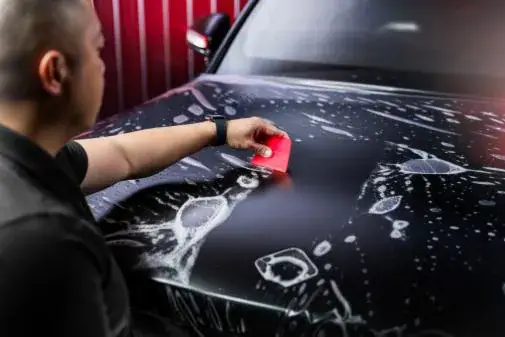
PPF Film Basics: Everything You Need to Know About Matte PPF
A new car can look perfect when it leaves the showroom. Keeping it that way, however, is a different matter. Daily traffic, loose stones, careless parking and even routine washing can gradually take a toll on the paint. For owners who want to preserve the original finish, PPF film has become one of the more practical protection options available today.
While traditional paint protection film is usually associated with a clear, glossy finish, there is another choice for people who want to change the character of their car at the same time: matte PPF. It offers protection while giving the vehicle a subdued, satin-like appearance.
Before choosing it, though, it helps to understand exactly what you’re getting.
What Is PPF Film?
PPF stands for Paint Protection Film. It is a transparent or finish-specific polyurethane film applied over painted body panels.
Unlike a ceramic coating, which forms a thin protective layer on the surface, PPF creates a physical barrier between the paint and the outside world. That makes it particularly useful against stone chips, minor scratches and everyday abrasion.
The film is commonly installed on areas that receive the most abuse, including the front bumper, bonnet, front fenders, mirrors and door edges. Owners can also choose larger coverage or full-body installation depending on their budget and priorities.
The quality of the material matters. Thickness, clarity, adhesive performance and the film’s top coat can all influence the final result.
What Makes Matte PPF Different?
Matte PPF performs the basic protective role of conventional PPF but has a different surface finish.
Instead of reflecting light sharply like a glossy painted panel, matte film diffuses the reflection. The result is a softer appearance that can make the vehicle look more understated and distinctive.
It can be especially interesting for owners who like the factory colour of their car but want a different visual effect without repainting it.
Matte film can also be used over certain glossy paint finishes to create a completely different look. However, the final appearance depends on the original paint colour and the particular film used.
Does Matte PPF Protect Paint as Well as Glossy PPF?
Generally, the primary purpose remains the same: protecting the underlying paint.
The difference is mainly in the finish and the construction of the particular product. A quality matte film can help guard against stone chips, light scratches and other forms of everyday physical wear.
Some products also feature self-healing top coats. These are designed to reduce the appearance of fine marks under suitable conditions.
Still, no PPF should be described as completely scratch-proof. A sharp object, serious collision or sufficiently strong impact can damage the film and, in some circumstances, the paint underneath.
Where Should You Install It?
Full-body coverage offers the broadest protection, but it isn’t essential for every vehicle.
Many owners start with the front end because it is constantly exposed to road debris. The bumper, bonnet and front fenders are obvious candidates. Door cups and edges are also worth considering because fingernails and keys can leave surprisingly visible marks in those areas.
If the car regularly travels on highways, broader coverage may be worth considering. For a vehicle used mostly for short city trips, targeted installation can provide a useful balance between protection and expense.
Matte PPF Needs the Right Maintenance
One common mistake is treating matte film like ordinary glossy paint.
The surface should be washed using products recommended for PPF and, preferably, with a clean microfiber wash mitt. Aggressive rubbing can create unnecessary wear. Abrasive polishes should generally be avoided because they can alter the film’s finish.
Water spots and bird droppings should also be dealt with reasonably quickly. Leaving contaminants on the surface for extended periods can make cleaning more difficult.
Most importantly, don’t try to polish matte PPF to restore shine. Its diffused appearance is part of the film’s design, and conventional polishing can create uneven glossy patches.
Installation Is Just as Important as the Film
Even a high-quality PPF film can disappoint when it is installed poorly.
During installation, the film needs to be positioned carefully around curves, panel edges, handles and body lines. Poorly finished edges can become noticeable or may lift over time.
This is why choosing an experienced installer is just as important as comparing film specifications.
Conclusion
PPF film is all about providing a sacrificial layer that goes between the paint of your vehicle and the elements that your vehicle will face on the road. If done right, PPF film can minimize the effects of chips, scratches, and wear and tear, extending the life of your paint job.
Then again, there is also matte PPF for owners who do not want the traditional shiny look. Matte PPF is a unique combination of protection from PPF film and matte finish.
The best way to go is to take into consideration your vehicle, the type of driving environment you have, and the desired look you want. Get a proper PPF film, get it professionally installed and take care of it properly.


