
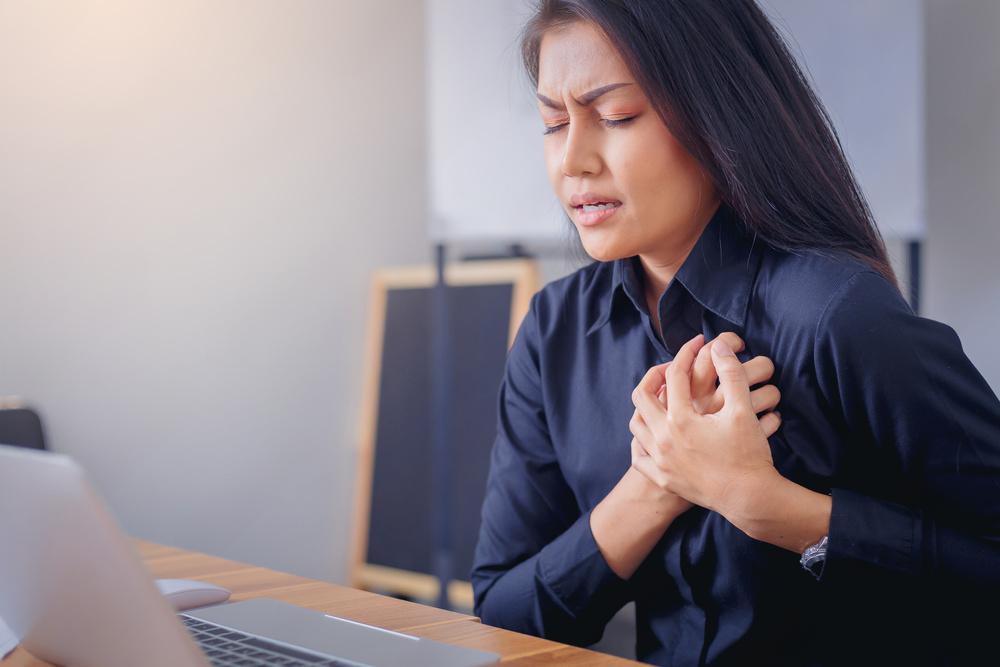
What Causes Irregular Heartbeat And Heart Palpitations?
Many people experience sudden fluttering, racing, or pounding sensations in their chest at some point in their lives. These sensations are commonly referred to as heart palpitations and are often associated with an irregular heartbeat. While occasional palpitations may be harmless, frequent or persistent symptoms could indicate a heart rhythm disorder that requires medical attention.
Understanding the possible causes of these symptoms can help individuals recognize when they should seek medical advice. Consulting the best heart specialist in Coimbatore can help identify the root cause and ensure proper care if the condition persists.
1. What Is An Irregular Heartbeat?
An irregular heartbeat occurs when the heart does not beat in its normal rhythm. The heart normally follows a steady electrical pattern that controls each heartbeat. When this electrical system is disrupted, the heart may beat too fast, too slow, or in an uneven rhythm.
This condition is commonly known as a heart rhythm disorder. It can occur occasionally or more frequently depending on the underlying cause. Some individuals may notice symptoms only during certain situations such as stress or physical activity.
2. Understanding Heart Palpitations
Heart palpitations are sensations where a person becomes aware of their heartbeat. It may feel like the heart is racing, pounding, skipping beats, or fluttering in the chest. Common experiences associated with palpitations include:
- A fast heartbeat even while resting.
- Fluttering or thumping in the chest.
- A sensation of skipped heartbeats.
- A pounding heartbeat after physical activity.
These sensations may last for a few seconds or several minutes. While many cases are temporary, frequent episodes should be evaluated at the best cardiology hospital in Coimbatore to rule out serious conditions.
3. Common Causes Of Irregular Heartbeat And Palpitations
Several factors can trigger irregular heartbeat and heart palpitations. These causes may be related to lifestyle habits, emotional triggers, or underlying health conditions.
Stress and Anxiety
Emotional stress and anxiety are among the most common causes of a fast heartbeat. When the body experiences stress, hormones are released that stimulate the heart and increase its rate. Situations that may trigger stress-related palpitations include:
- Anxiety or panic attacks
- Emotional distress
- Sudden excitement or fear
- Lack of sleep
In most cases, these symptoms improve once the body relaxes.
4. Excessive Caffeine Consumption
Caffeine is a stimulant that can increase heart rate. Consuming large amounts of coffee, tea, energy drinks, or caffeinated beverages may lead to heart palpitations. People who are sensitive to caffeine may experience symptoms such as:
- Rapid heartbeat
- Nervousness or restlessness
- Mild chest fluttering
Reducing caffeine intake often helps prevent these symptoms.
5. Hormonal Changes
Hormonal fluctuations can influence heart rhythm. Many individuals experience irregular heartbeat during certain stages of life when hormone levels change. Common situations include:
- Pregnancy
- Menstrual cycle changes
- Menopause
These hormonal shifts can temporarily cause heart palpitations or a faster heart rate.
6. Dehydration
Not drinking enough fluids can lead to dehydration, which may cause the heart to work harder to pump blood throughout the body. This can trigger a fast heartbeat or occasional palpitations. Signs associated with dehydration include:
- Fatigue
- Dizziness
- Dry mouth
- Rapid heartbeat
Staying properly hydrated can help maintain a stable heart rhythm.
7. Physical Exertion
During exercise or intense physical activity, the heart beats faster to supply oxygen to the muscles. While this is a normal response, excessive exertion or sudden intense workouts may sometimes lead to heart palpitations. In most cases, the heart rate returns to normal after rest. However, persistent symptoms after exercise should be evaluated by the best heart specialist in Coimbatore.
8. Lifestyle Habits
Certain lifestyle habits may increase the risk of developing heart palpitations or irregular heart rhythms. Common contributing factors include:
- Smoking
- Alcohol consumption
- Lack of sleep
- High stress levels
- Poor dietary habits
Improving these lifestyle factors can support better heart health and reduce the chances of rhythm disturbances.
9. When Should You See A Heart Specialist?
Occasional heart palpitations are usually harmless. However, medical attention may be necessary if the symptoms occur frequently or are accompanied by other warning signs. You should consult the best cardiology hospital in Coimbatore if you experience:
- Frequent irregular heartbeat
- Palpitations lasting longer than a few minutes
- Chest discomfort
- Shortness of breath
- Dizziness or fainting
Early diagnosis can help detect potential heart rhythm disorders and prevent complications.
Conclusion
An irregular heartbeat or heart palpitations can occur due to various reasons such as stress, caffeine intake, dehydration, hormonal changes, or lifestyle habits. While occasional episodes may not be serious, persistent symptoms may indicate an underlying heart rhythm disorder.
Paying attention to your heart health and making positive lifestyle changes can help reduce the risk of rhythm disturbances. If symptoms continue or become frequent, seeking guidance from the best heart specialist in Coimbatore at the best cardiology hospital in Coimbatore can ensure timely diagnosis and appropriate care.